
Before the first drawing: building a useful design brief
A useful brief connects the purpose of a space with the people, activities and decisions that shape it.
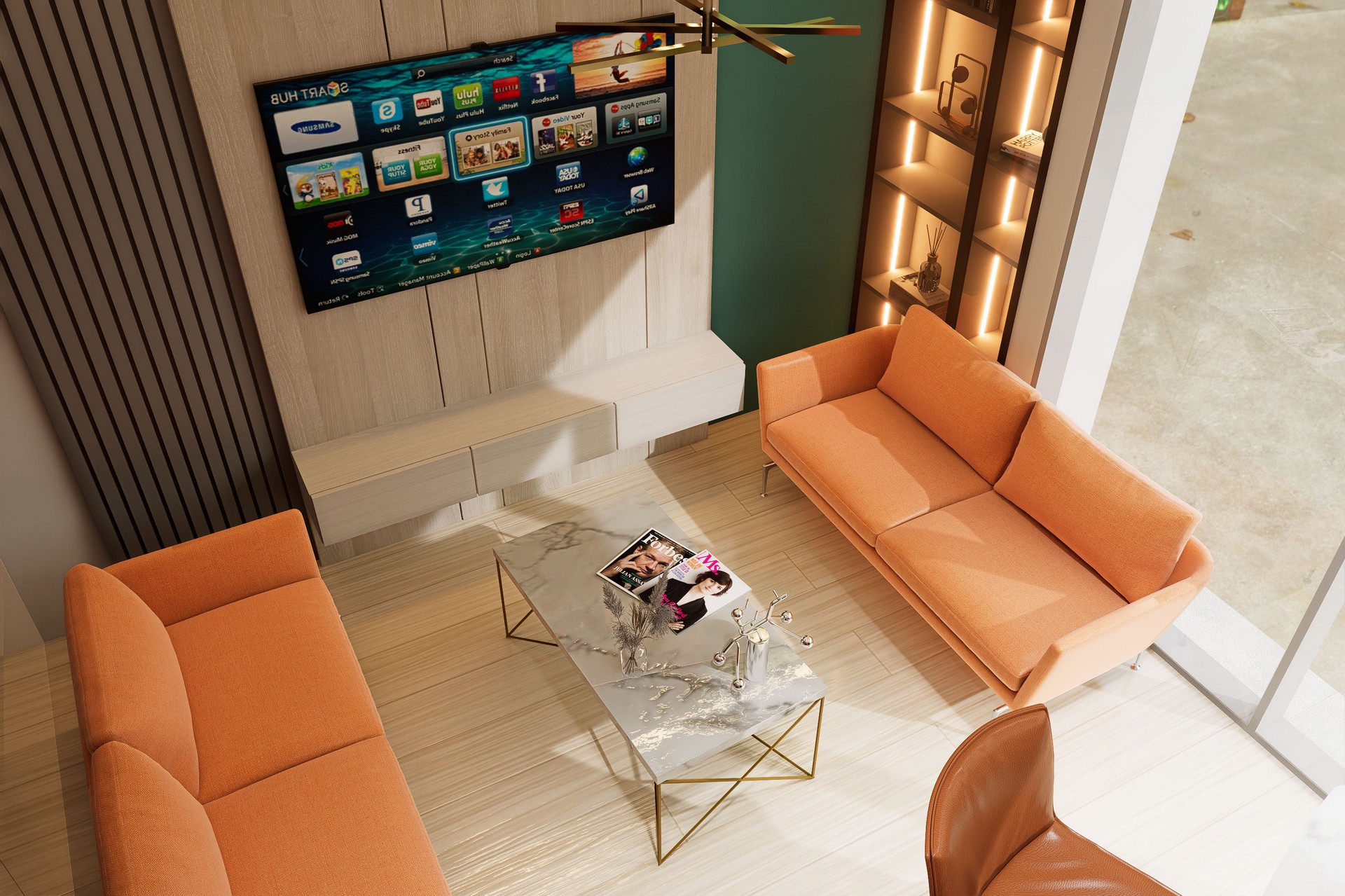
A design brief begins with a conversation about how a space needs to work. For a workplace, that may mean understanding team sizes, meeting patterns, storage and visitor movement. For a home, it may mean daily routines, privacy and the way rooms are shared.
Start with the essentials
Gather available plans, site photographs and measurements. List the rooms or functions you need, the limitations of the existing space and any landlord or building requirements that may affect the project. Identify the people who will review the design and make decisions.
Make priorities visible
Separate essential requirements from preferences. A budget range and a desired programme help the team discuss realistic alternatives early. Reference images can explain a mood or material direction, but the final solution should respond to the actual site.
Keep a record of decisions
At Nagorik, the brief provides a shared starting point for Sales and Design. As the proposal develops, feedback and agreed changes should remain connected to it. A clear brief does not remove the need for revisions; it gives those revisions a purpose.
To discuss a new project, send us your location, approximate area, intended use and any drawings you already have.